
The Ultimate Antidote to Financial Anxiety: Epictetus on True Wealth
A deep dive into Epictetus's famous quote on wealth and possessions. Learn what true wealth means and how to overcome modern financial anxiety and consumerism.

Have you ever caught yourself scrolling through social media, looking at someone’s new car or luxury vacation and suddenly felt a pit in your stomach? You’re doing fine, but suddenly, you feel broke. When we struggle with financial anxiety, we usually think the solution is just to make more money. In a world that constantly encourages us to acquire more, focusing on how we spend our limited time can shift our focus from possessions to meaningful experiences.
Epictetus, a Stoic philosopher who lived a life of extreme simplicity, recognized that chasing more money is often a trap.
The Quote
“Wealth consists not in having great possessions, but in having few wants.”
The Context: When and Why Did Epictetus Say This?
To truly understand the power of this quote, we have to look at how Epictetus lived. Born a slave, he eventually gained his freedom and became a revered philosopher. He lived in Rome, the epicenter of wealth, gluttony and extreme inequality.
He observed that the wealthiest senators were often the most miserable and anxious people in the city. They were terrified of losing their status, their villas and their power. He realized that their “wealth” was actually a form of slavery. It wasn’t just a fleeting thought; it was a core pillar of Stoicism: true freedom comes from detaching your happiness from external things.
What This Quote Actually Means for You
At first glance, it might sound like an excuse to be lazy or poor, but let’s break it down. When Epictetus says “in having few wants,” he isn’t saying that money is evil. He is actually talking about the math of financial freedom.
If you make $100,000 but your lifestyle and desires cost $110,000, you are poor. You are trapped. If you make $60,000 and you only desire a lifestyle that costs $40,000, you are wealthy. You have margin, peace and freedom. The modern world is a machine designed to artificially inflate your “wants” so you never feel like you have enough. This Stoic principle contrasts sharply with the consumer mindset, but aligning it with insights from the top finance books of all time can help you build actual wealth and financial security.
Here is how you can apply this to your own life:
- Audit Your Wants: Look at your recent purchases. Did you buy them because they genuinely improved your life or did you buy them to signal your status to other people?
- Move the Goalposts Back: We suffer from “lifestyle creep.” As we make more, we spend more. Try freezing your lifestyle exactly where it is for the next two years, regardless of how much your income grows.
- Find the Free Joys: Remind yourself of the things that bring you the highest ROI on happiness. A walk outside, a good library book or coffee with a friend cost almost nothing, yet provide significantly more joy than a luxury car payment.
Recommended Reading
If this quote resonated with you, I highly recommend reading these modern classics on the psychology of money and how to escape the consumerism trap.
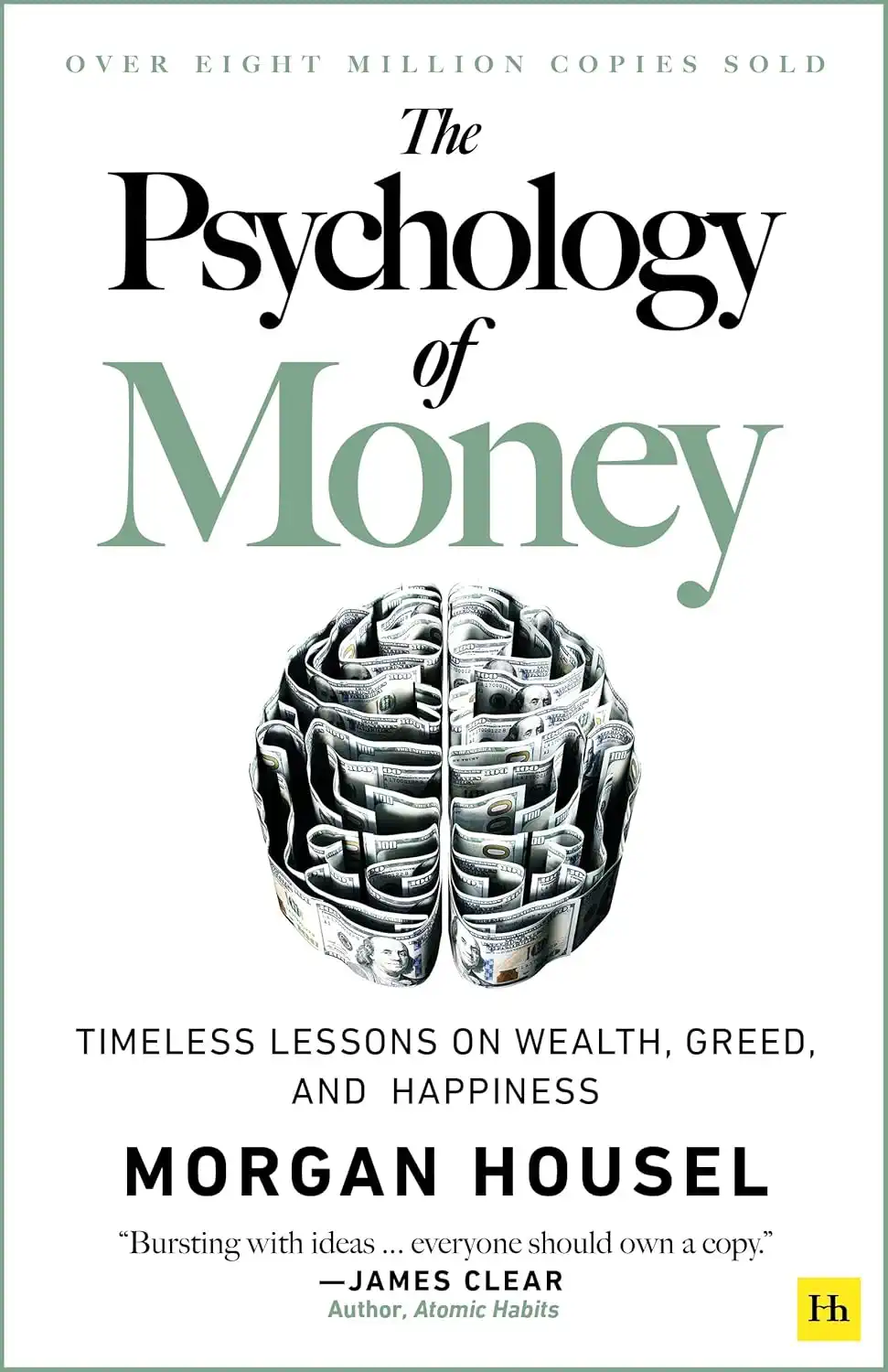
The Psychology of Money
Morgan Housel's masterpiece on how wealth has very little to do with how smart you are and everything to do with how you behave.
* As an Amazon Associate I earn from qualifying purchases at no extra cost to you.
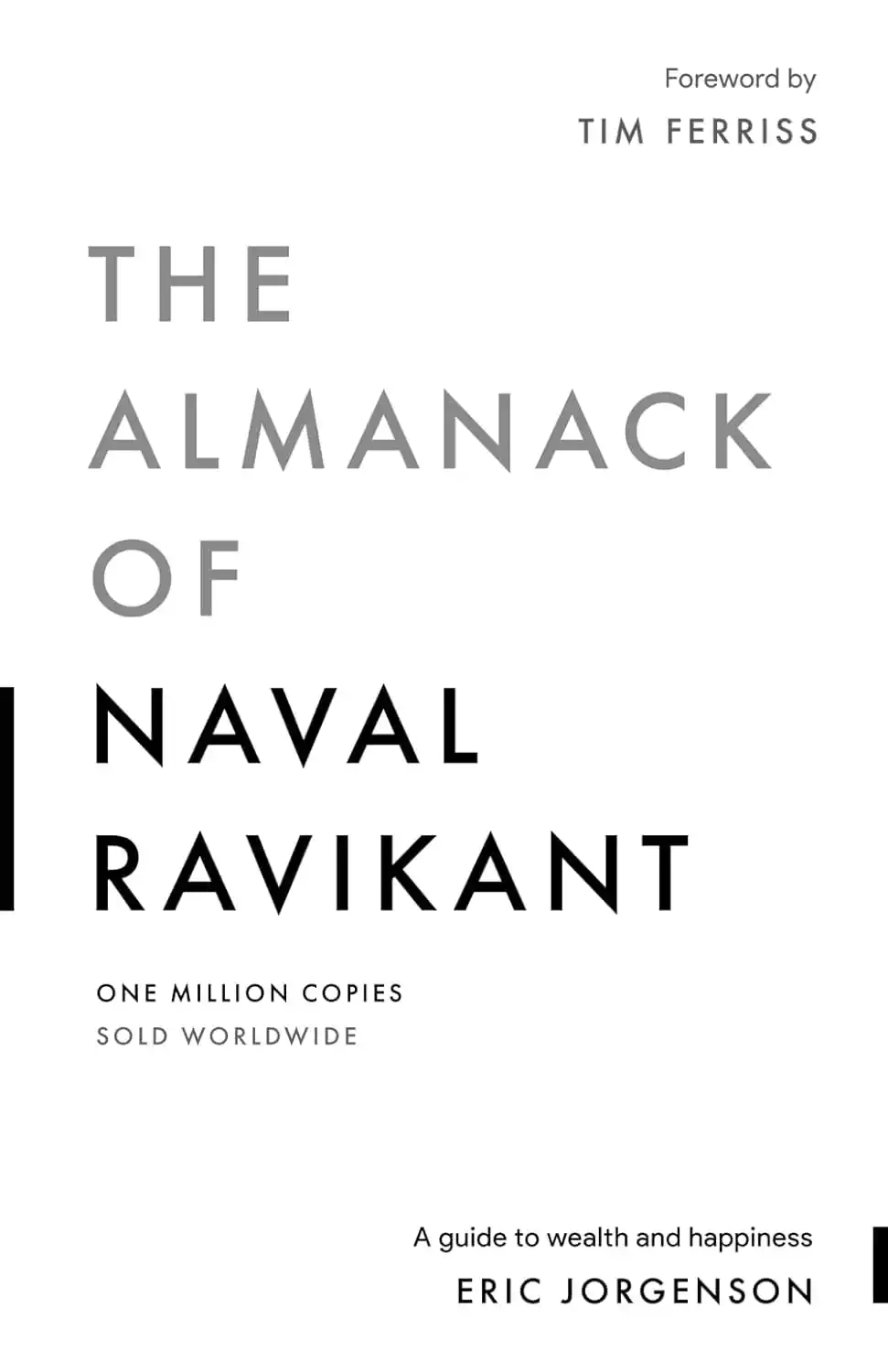
The Almanack of Naval Ravikant
A guide to wealth and happiness from one of Silicon Valley's most legendary thinkers. Learn how to seek true freedom, not just status.
* As an Amazon Associate I earn from qualifying purchases at no extra cost to you.

Limited time offer: Save over 80% on Audible Standard, plus a bonus $20 credit for Audible.com.
*Bonus $20 credit for Audible.com credit notification will be received via email. Auto-renews at $0.99/mo for 3 months, then $8.99/mo. thereafter. Cancel anytime. Ends July 5, 2026.
Did this quote change your perspective on money? Share it with a friend who is working on their financial freedom!