
The Space Between Stimulus and Response: Viktor Frankl's Greatest Lesson
A deep dive into Viktor Frankl's famous quote about freedom. Learn what it means to find the space between stimulus and response for better emotional regulation.
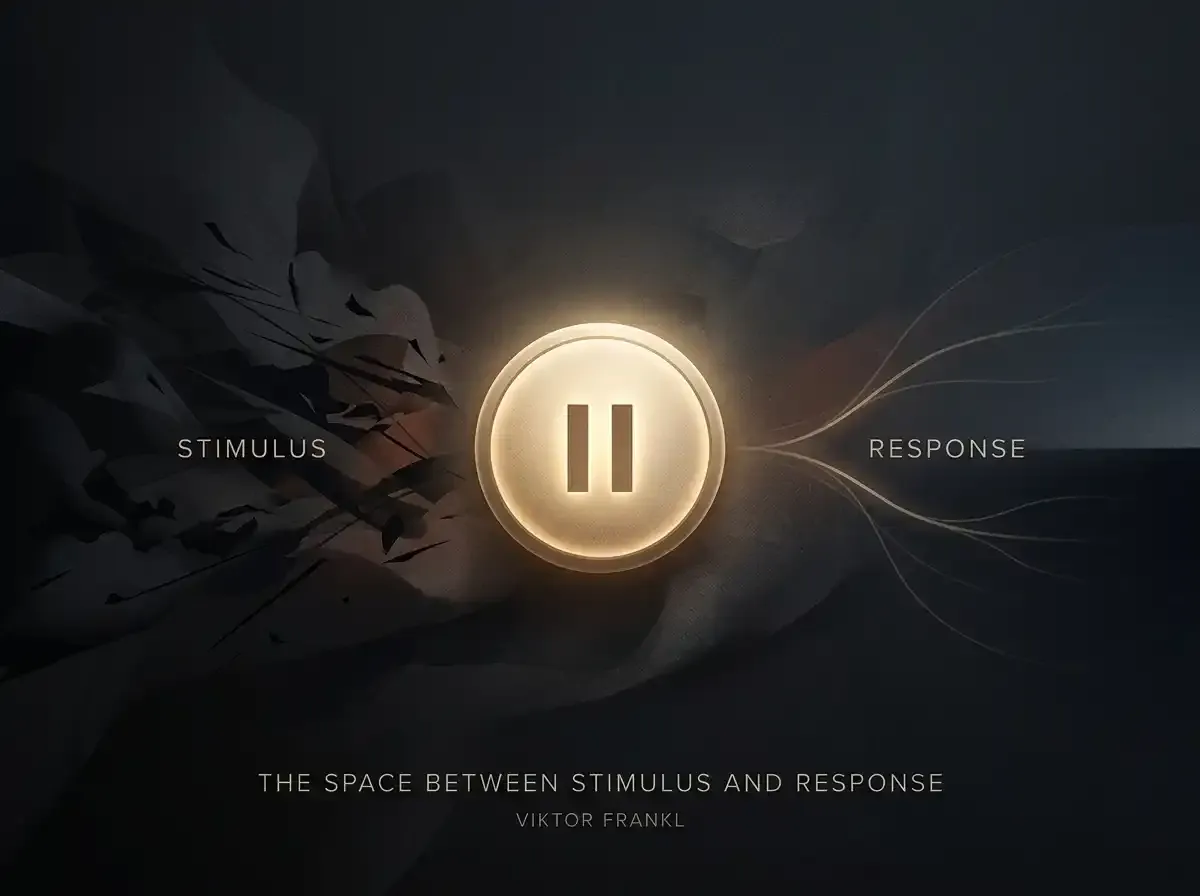
Have you ever felt like your emotions are driving the car and you’re just a passenger? Someone says something rude and before you even process it, you snap back. Traffic comes to a halt and you instantly feel your blood pressure spike. When we struggle with emotional regulation, we feel like we are at the mercy of the world around us. This struggle with reactivity is deeply connected to ancient Stoicism, particularly Marcus Aurelius’s advice on finding power over your mind rather than outside events.
Viktor Frankl, known for his work as a psychiatrist and his survival of the Holocaust, captured the antidote to this reactive living perfectly.
The Quote
“Between stimulus and response there is a space. In that space is our power to choose our response. In our response lies our growth and our freedom.”
The Context: When and Why Did Viktor Frankl Say This?
To truly understand the power of this quote, we have to look at what Viktor Frankl endured. As a Jewish psychiatrist living in Vienna, he was sent to multiple concentration camps, including Auschwitz, where his wife, parents and brother were murdered.
Despite enduring unimaginable horrors, starvation and cruelty, Frankl observed something profound about human nature. He realized that while the guards could take away every single physical freedom, they could never take away the “last of the human freedoms”—the ability to choose one’s attitude in any given set of circumstances. His philosophy was quite literally stress-tested in the most horrific environment on earth.
What This Quote Actually Means for You
At first glance, it might sound like an academic observation, but let’s break it down. When Frankl says “In that space is our power to choose our response,” he isn’t talking about being emotionless. He is actually talking about breaking the chain of impulse.
Most of us live on autopilot. A stimulus happens (an angry email) and a response immediately follows (a defensive reply). They are glued together. Frankl’s lesson is that if you can pry those two things apart—even by just a few seconds—you reclaim your freedom. You stop acting out of habit and start acting out of choice. By cultivating this gap, you gain the perspective needed to navigate setbacks without falling into anxiety, a practice similar to Epictetus’s guidelines on reacting to life.
Here is how you can apply this to your own life:
- Widen the Space: The next time you feel triggered, take a single deep breath before you speak or act. That breath is the “space” Frankl is talking about. It moves your brain out of the fight-or-flight amygdala and into the logical prefrontal cortex.
- Observe, Don’t Absorb: When you encounter a stressful stimulus, observe it like a scientist rather than absorbing it like a sponge. Say to yourself, “That person is very angry,” rather than, “I am under attack.”
- Choose Who You Want to Be: In that small gap of time, ask yourself: “What response would I be proud of tomorrow?” Let your values dictate your actions, not your impulses.
Recommended Reading
If this quote resonated with you, I highly recommend reading Frankl’s foundational book. It is a perspective-shifting masterpiece that will change how you view suffering and purpose.

Man's Search for Meaning
Viktor Frankl's chilling yet ultimately hopeful memoir and psychological exploration of finding purpose in the darkest of circumstances.
* As an Amazon Associate I earn from qualifying purchases at no extra cost to you.
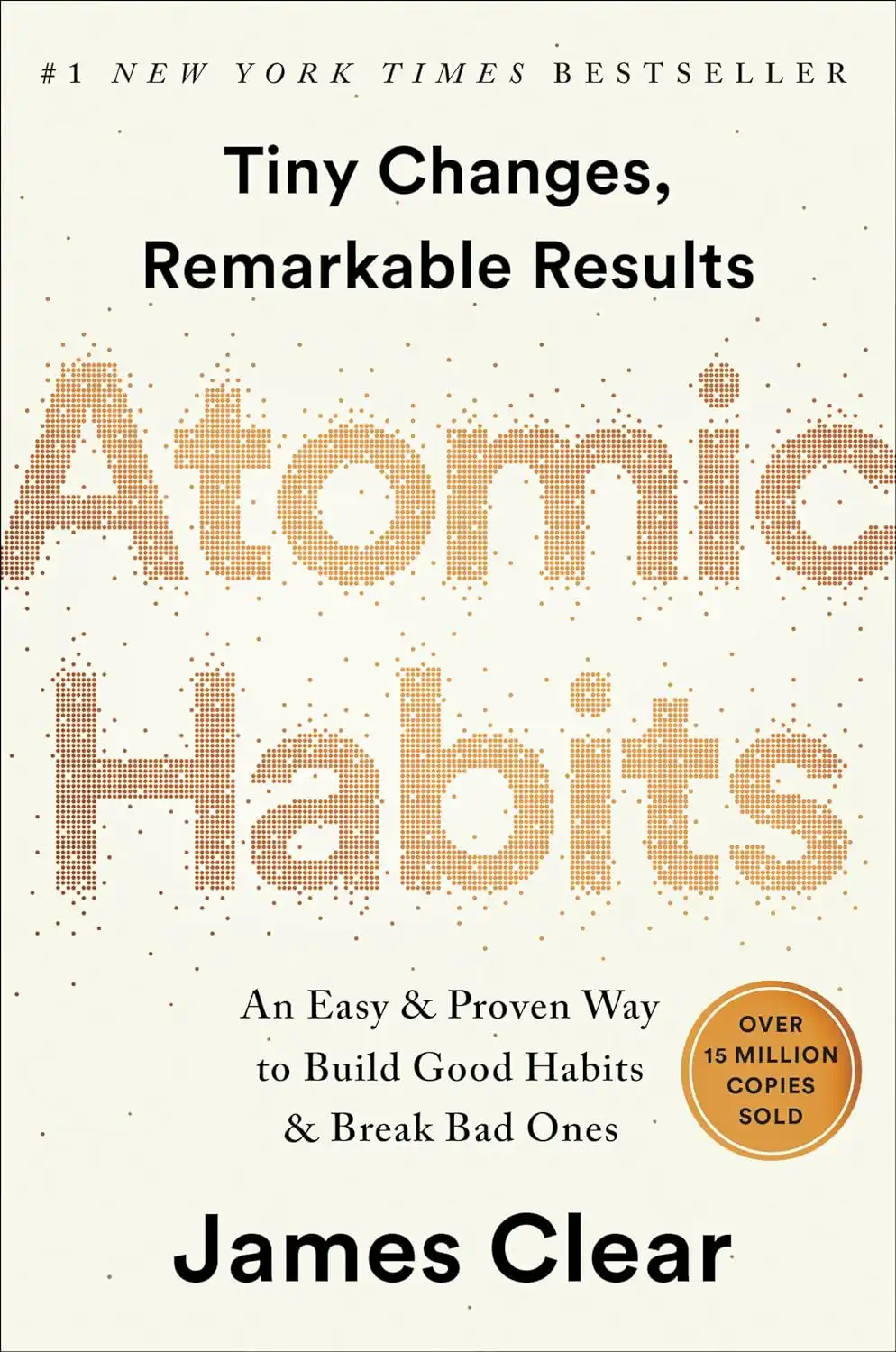
Atomic Habits
While not Stoicism, James Clear's book is the best modern manual on how to break bad impulses, build good habits and master your daily responses.
* As an Amazon Associate I earn from qualifying purchases at no extra cost to you.

Limited time offer: Save over 80% on Audible Standard, plus a bonus $20 credit for Audible.com.
*Bonus $20 credit for Audible.com credit notification will be received via email. Auto-renews at $0.99/mo for 3 months, then $8.99/mo. thereafter. Cancel anytime. Ends July 5, 2026.
Did this quote change your perspective? Share it with someone who needs to hear it today!