
The Cure for Overthinking: Seneca on Letting Time Do the Work
A deep dive into Seneca's quote on truth and time. Learn how to stop overthinking and find clarity by applying this ancient Stoic wisdom.
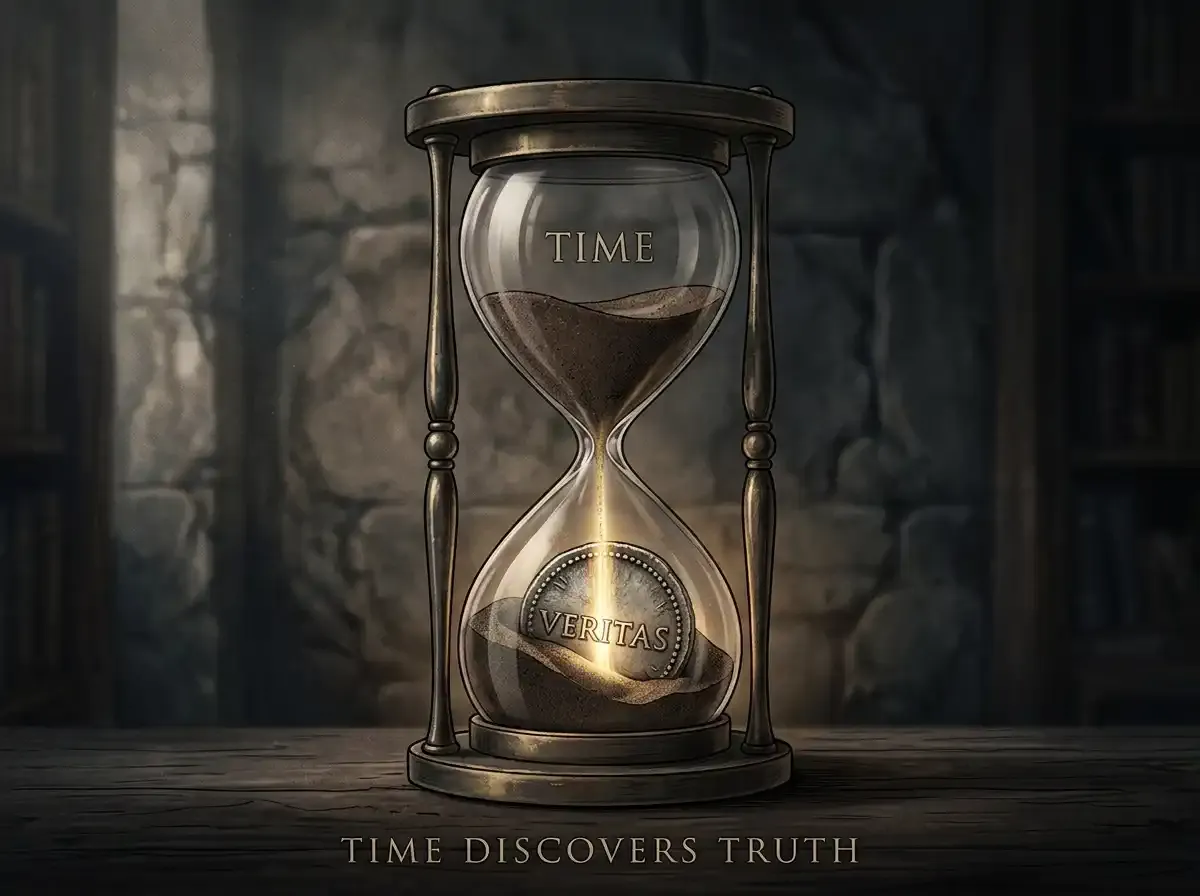
Have you ever agonized over a decision for days, trying to predict every possible outcome, only to feel more confused than when you started? We live in an era of instant gratification and infinite data. When we struggle with a complex problem or a confusing relationship, we want the answer right now. This mental paralysis is often driven by worry, which causes us to suffer more in our imagination than in actual reality.
Seneca, one of the wealthiest and most powerful philosophers in the Roman Empire, recognized this human tendency thousands of years ago and he offered a surprisingly simple antidote.
The Quote
“Time discovers truth.”
The Context: When and Why Did Seneca Say This?
To truly understand the power of this quote, we have to look at the chaotic environment Seneca lived in. As a tutor and advisor to the volatile Emperor Nero, Seneca was constantly surrounded by political plotting, rumors and literal backstabbing.
In his Moral Letters, he was trying to convey that reacting instantly to gossip or trying to force clarity in a muddy situation is a fool’s errand. It wasn’t just a fleeting thought; it was a survival tactic. He learned that rushing to judgment usually resulted in fatal mistakes.
What This Quote Actually Means for You
At first glance, it might sound like a passive excuse to do nothing, but let’s break it down. When Seneca says “Time discovers truth,” he isn’t telling you to be lazy. He is actually giving you permission to stop overthinking.
Our modern brains hate uncertainty. When someone acts out of character or a business deal looks fishy, we want to solve the puzzle immediately. But you can’t force the mud to settle in a glass of water by shaking it harder; you have to put it down and wait. Giving ourselves the space to step back and let the situation unfold is a key method for finding clarity, a philosophy that underpins Viktor Frankl’s lessons on stimulus and response.
Here is how you can apply this to your own life:
- The 72-Hour Rule: When faced with a highly emotional or confusing situation (like receiving a passive-aggressive email), wait 72 hours before taking permanent action. Allow the initial adrenaline to fade so the truth can surface.
- Stop Digging for Answers: If a new relationship or a business partnership feels “off,” stop trying to psychoanalyze the person. Just wait. People can only wear masks for so long. Time will inevitably reveal their true character.
- Embrace “I Don’t Know Yet”: Normalize not having an immediate opinion. When you lack data, it is a sign of immense intellectual strength to simply say, “I don’t know the truth yet, let’s wait and see.”
Recommended Reading
If this quote resonated with you, I highly recommend reading Seneca’s letters. They read like modern advice columns on how to handle anxiety, time management and toxic people.
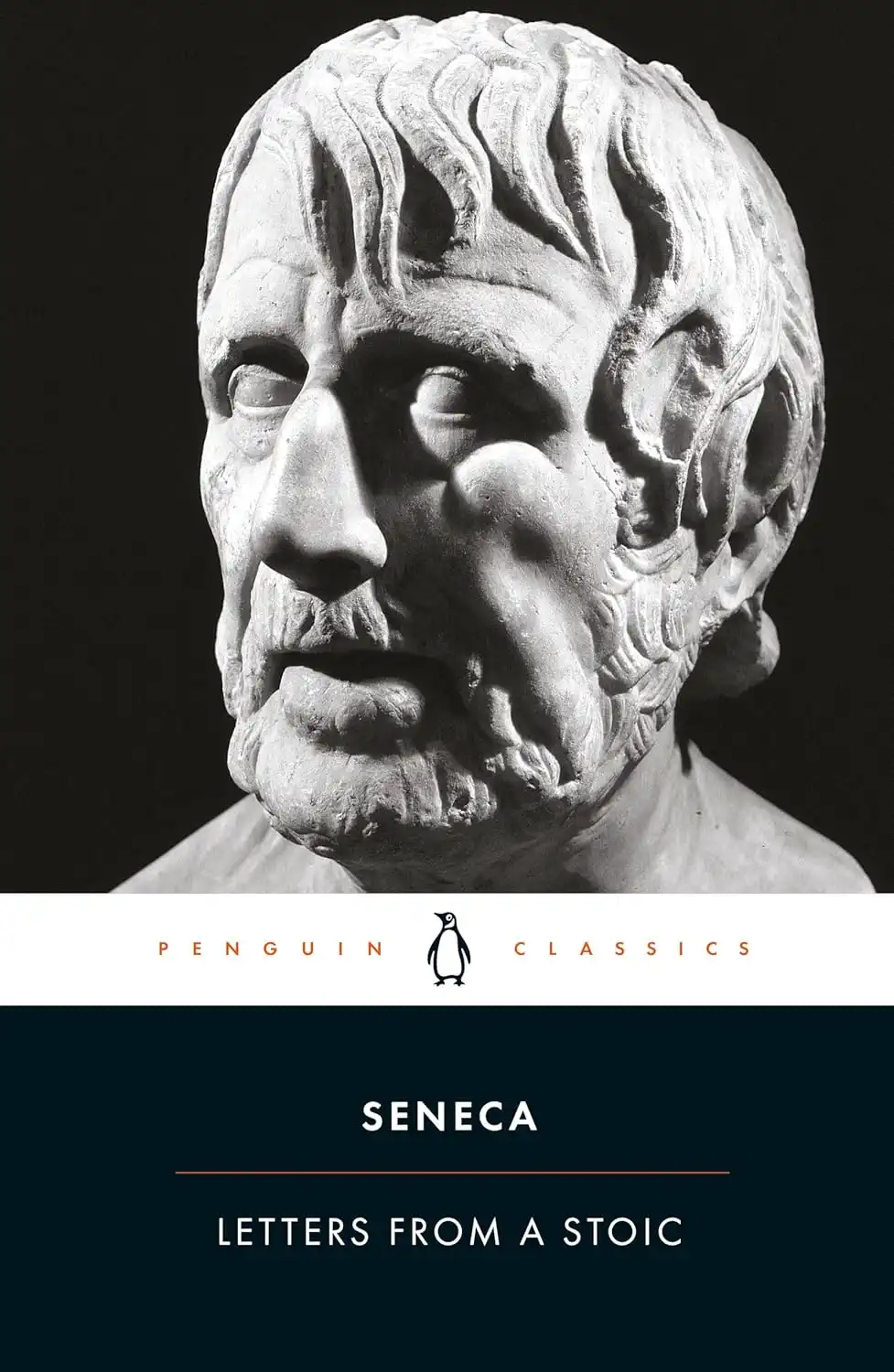
Letters from a Stoic
Seneca's timeless letters to his friend Lucilius. A masterclass in dealing with wealth, anxiety, grief and the shortness of life.
* As an Amazon Associate I earn from qualifying purchases at no extra cost to you.
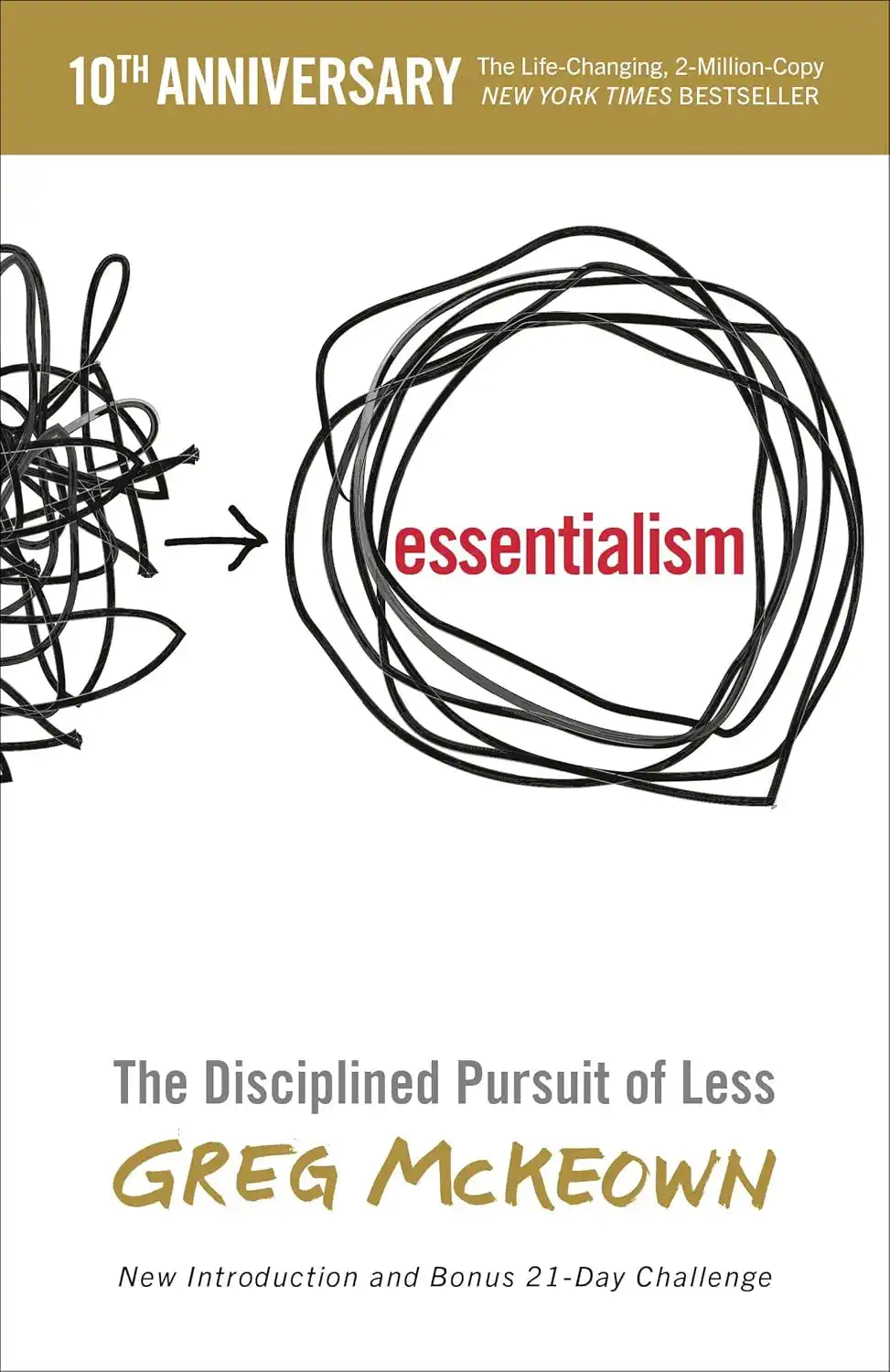
Essentialism
Greg McKeown's modern classic on how to stop overcommitting, clear the noise and wait for the 'clear yes' in your life.
* As an Amazon Associate I earn from qualifying purchases at no extra cost to you.

Limited time offer: Save over 80% on Audible Standard, plus a bonus $20 credit for Audible.com.
*Bonus $20 credit for Audible.com credit notification will be received via email. Auto-renews at $0.99/mo for 3 months, then $8.99/mo. thereafter. Cancel anytime. Ends July 5, 2026.
Did this quote change your perspective? Share it with a fellow overthinker who needs to hear it today!